This is a series of posts on interesting and unusual words and phrases.
The first set of words are adjectives that describe a shape and are often used in botany, mineralogy, and describing artistic forms.
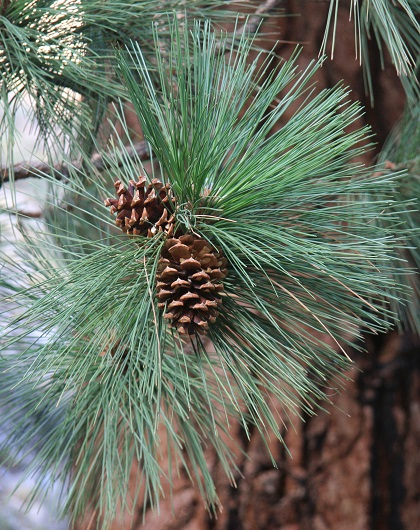
The word for today is trichoid: resembling hair or hair-like, from the Greek, tricho
This is a series of posts on interesting and unusual words and phrases.
The first set of words are adjectives that describe a shape and are often used in botany, mineralogy, and describing artistic forms.
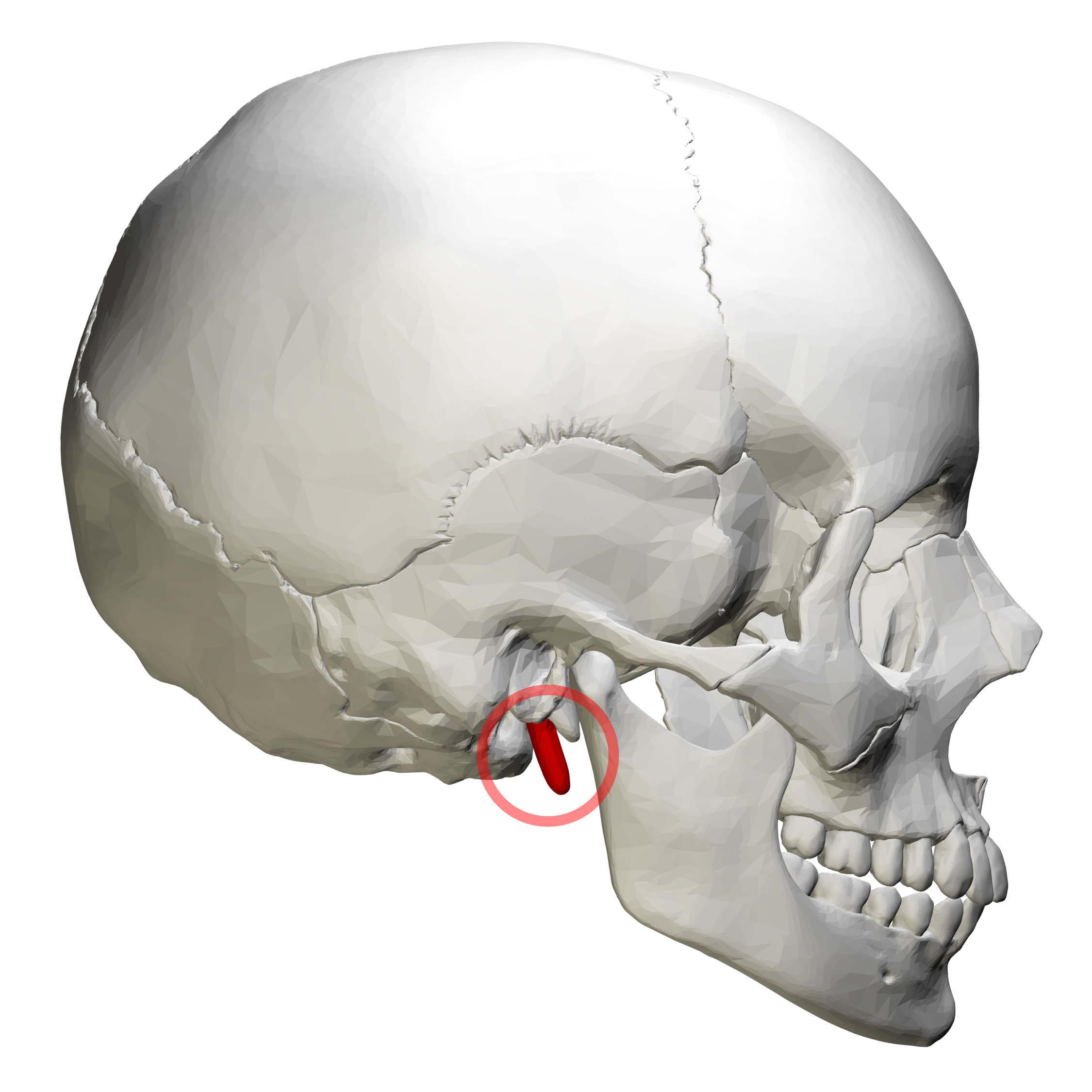
The word for today is styloid: shaped like a style or pen, from the Greek.
The styloid process is a cylindrical, slender, needle-like projection of varying lengths averaging 2 to 3 cm. The styloid process projects from the inferior part of the petrous temporal bone and offers attachment to the stylohyoid ligament and the stylohyoid, stylopharyngeus, and styloglossus muscles.
This is a series of posts on interesting and unusual words and phrases.
The first set of words are adjectives that describe a shape and are often used in botany, mineralogy, and describing artistic forms.
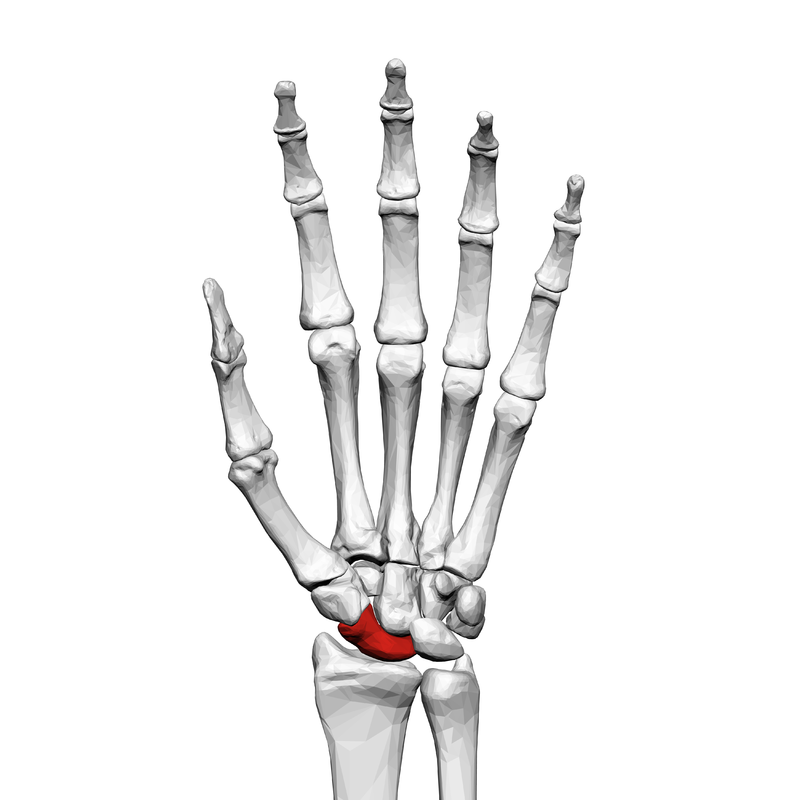
The word for today is scaphoid: shaped like a boat, from the Greek, skaphos meaning “boat.”
The scaphoid bone is one of the carpalbones of the wrist. It is situated between the hand and forearm on the thumb side of the wrist (also called the lateral or radial side). It forms the radial border of the carpal tunnel. The scaphoid bone is the largest bone of the proximal row of wrist bones, its long axis being from above downward, lateralward, and forward. It is approximately the size and shape of a medium cashew nut.
The word scaphoid (Greek: σκαφοειδές) is derived from the Greek skaphos, which means “a boat”, and the Greek eidos, which means “kind”.[7] The name refers to the shape of the bone, supposedly reminiscent of a boat. In older literature about human anatomy,[4] the scaphoid is referred to as the navicular bone of the hand (this time from the Latin navis for boat); there is also a bone in a similar position in the foot, which is called the navicular. The modern term for the bone in the hand is scaphoid; in human anatomy the term navicular is reserved for the bone in the foot.
This is series of posts on interesting and unusual words and phrases.
The first set of words are adjectives that describe a shape and are often used in botany, mineralogy, and describing artistic forms.
The word for today is hastiform: shaped like an arrow head, from the Latin, hasta meanding “spear.”
The Sporting Review, 1855.
The bows of these hunters were by no means formidable in size, the same scarcely exceeding two feet in length, being constructed in the form of two crescents, intra-connected by a straight band. The constituent elements of these instruments of the chase were composed of the wood of the bamboo, and the tough, unyielding horn of the wild buffalo. To the extremities of the bows the strings were attached by means of grooves or notches calculated to receive them; and there is more than an ordinary share of strength required to string these bows. The latter occupy a very small space of room when drawn to their
utmost tension, and will dismiss an arrow with so great a force, that they will do inevitable execution, if directed at a living object, at a distance of one hundred yards.
The arrows are made from the common reed (Arundo fluviatilis), being about two feet and a half in length, surmounted at one extremity by sharp hastiform blades, which are fluted or grooved, and the subtle poison is carefully introduced into these cavities. These men, upon the whole, form a very striking contrast when compared with our English sportsmen, whose field services are very far removed from oriental scenery.
This is a series of posts on interesting and unusual words and phrases.
The first set of words are adjectives that describe a shape and are often used in botany, mineralogy, and describing artistic forms.
The word for today is fusiform: shaped like a spindle, from the Latin, fusus.
Body Form
Perches are the most common type of bony fishes. As a result, people often use the words perch-like to describe a generic fish shape. (Fig. 4.21 A). Fusiform is the scientific term used to describe the perch’s streamlined, torpedo shaped body.
Fig. 4.21. (A) Perch (fusiform-torpedo shape)
Image Courtesy of U.S. Department of Agriculture (USDA)
This is a series of posts on interesting and unusual words and phrases.
The first set of words are adjectives that describe a shape and are often used in botany, mineralogy, and describing artistic forms.
The word for today is falcated: shaped like a scythe, from the Latin, falcatus.
Harris, as quoted by Samuel Johnson, under the word “falcated.” “The enlightened part of the moon appears in the form of a sickle or reapinghook, which is while she is moving from the conjunction to the opposition, or from the new moon to the full: but from full to a new again the enlightened part appears gibbous, and the dark falcated.”
With its striking plumage a drake Falcated Duck is one of the most beautiful of all the ducks. It cannot be confused with any other; the long flowing crest and elongated, sickle-shaped tertial feathers giving it a unique appearance. In contrast, the duck is plain and easily overlooked, most closely resembling a female Gadwall. Although a highly distinct species, its behaviour and habits suggest a close affinity to the Gadwall and more distantly to the wigeons.
Falcated Ducks are native to China and Japan, breeding in Eastern and Central Siberia. They are highly migratory, and vagrants have occasionally reached Europe and even Britain, though escapes from captivity cannot be ruled out.




 Steward Archives
